Interactive Clues and Rituals
Welcome. InnerKiller.com is built to be lived in — not skimmed.
Our interactive layers are designed so that the site itself becomes part of the story —a platform that rewards attention, intention, and the tactile act of looking. Below is a straightforward guide to what makes those layers work and why we recommend experiencing them on a desktop.
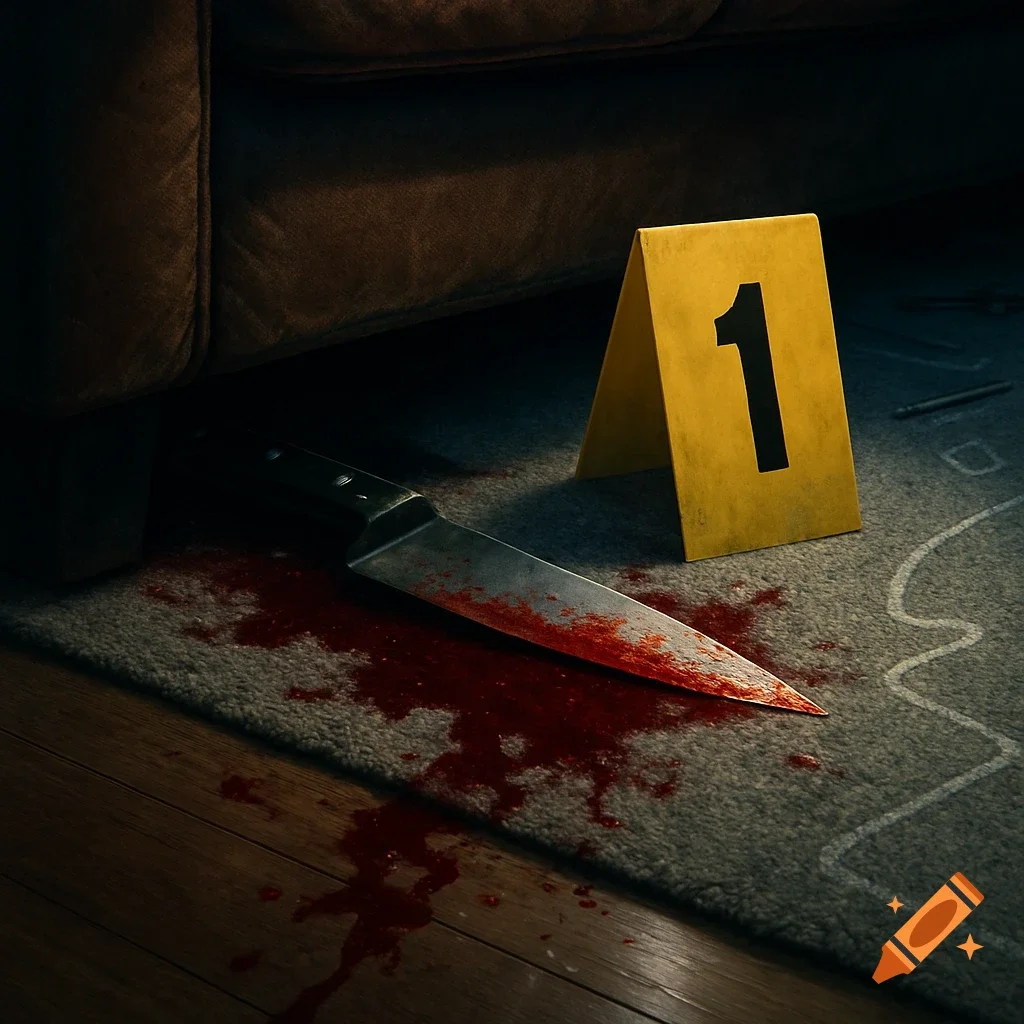
What you’re seeing: the Knife 🔪
The Knife cursor is our signpost. It’s not decoration — it’s a functional invite. When your cursor becomes a 🔪 over navigation, microtext, or hidden elements, that’s the interface telling you: this is interactive. Click to reveal layered content, contextual whispers, and pieces of the story that sit beneath the surface.
Why the Knife matters
• It’s a signal of agency — a visual cue that the page responds to you.
• It maps attention — we designed it to reward close reading and deliberate clicking.
• It’s part ritual, part UX: small animations and micro-interactions turn reading into an embodied experience.
Desktop-first design (and why)
Our Interactive Clues were built for a full-screen, cursor-driven environment. Tablets and phones compress the spatial and interactive nuance we rely on.
On a laptop or desktop, you get:
Precise cursor control.
Layered hover states.
Ambient effects and expanded microcopy.
—all of which unfold only in a sufficiently large viewport.
How the interactive layers work
FOLLOW THE KNIFE 🔪
When the knife appears, click. That action does more than open content — it peels back a layer of design and narrative.
These layers might include:
• bonus microfiction and unsent notes,
• contextual artifacts from our creators and characters,
• teasers for unreleased work and contributor opportunities,
• ambient audio or visual cues that change with each interaction.
Design intention (not shock)
We do not hide things for cheap surprises. Every hidden fragment is deliberate — curated to extend the storytelling and to invite a different kind of attention.
The interactive clues serve three purposes:
Deepen immersion — make the world feel lived-in.
Reward curiosity — offer material that only careful readers encounter.
Reflect psychology — prompt small moments of self-recognition and thought.
Ritual over noise
The modern web trains us to skim. InnerKiller.com asks you to slow down. The Knife cursor and desktop rituals recalibrate attention, resulting in fewer interruptions and increased presence. Think of it as a quiet re-education of how you move through a story.
Who this is for
These interactive elements are designed for readers who enjoy lingering — those who notice punctuation, who hover, and who map patterns. If you appreciate detail, psychological texture, or layered storytelling, the Interactive Clues were designed for you—offering practical tips for the best experience.
• Use a desktop or laptop.
• Turn off noisy tabs and notifications.
• Move your cursor slowly when you suspect there’s more beneath the surface.
• Read with an expansive gaze — the small things are often the loudest.
Why do we hide clues?
Because obsession should be earned, the Hidden Clues are not just puzzles; they are invitations to invest attention. They exist to amplify the narrative and to create a space where architecture and psychology meet. The result is an experience that’s tactile, intimate, and designed to linger.
A final note
The Knife is a guide, not a threat. It measures your attention, rewards your patience, and makes the act of reading feel like participation. When the cursor sharpens, you’re not just clicking a link — you’re entering a ritual designed to wake the senses.
We write what sanity won’t confess.
— Ashley Glenn