
The Blacklight Files
The truth was always there.
You weren’t looking the right way.
Real psychology, behavioral patterns, true-crime culture, and the uncomfortable things we tend to misunderstand.NO FICTION. NO DRAMATIZATION. JUST A CLOSER LOOK.
BEFORE YOU KEEP READINGThis Isn't Another True-Crime Rabbit Hole.
It's where we examine the rabbit holes.
Blacklight Files explores the psychology, behavior, misconceptions, cultural narratives, and warning signs surrounding crime and harm.Real subjects. Responsible context. No killer worship.
CONTENT NOTE — Some investigations discuss violence, coercion, stalking, trauma, abuse, and psychological harm.
CHOOSE WHAT TO EXAMINEWhat's Under the Blacklight?
Six subjects. Uncomfortable questions.
Start anywhere.
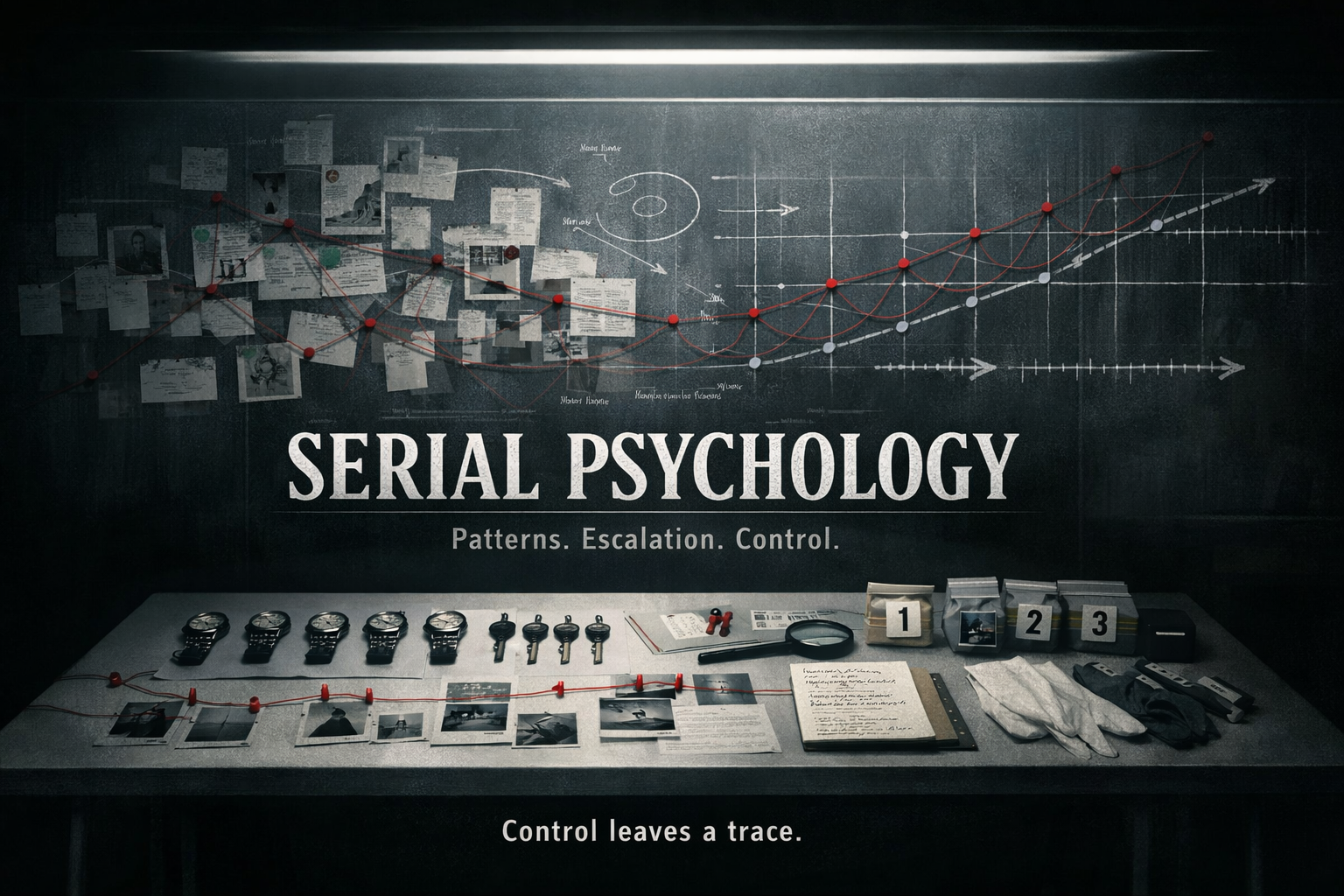


REAL PSYCHOLOGY | TRUE CRIME CULTURESerial Psychology
Patterns. Escalation. Control leaves a trace.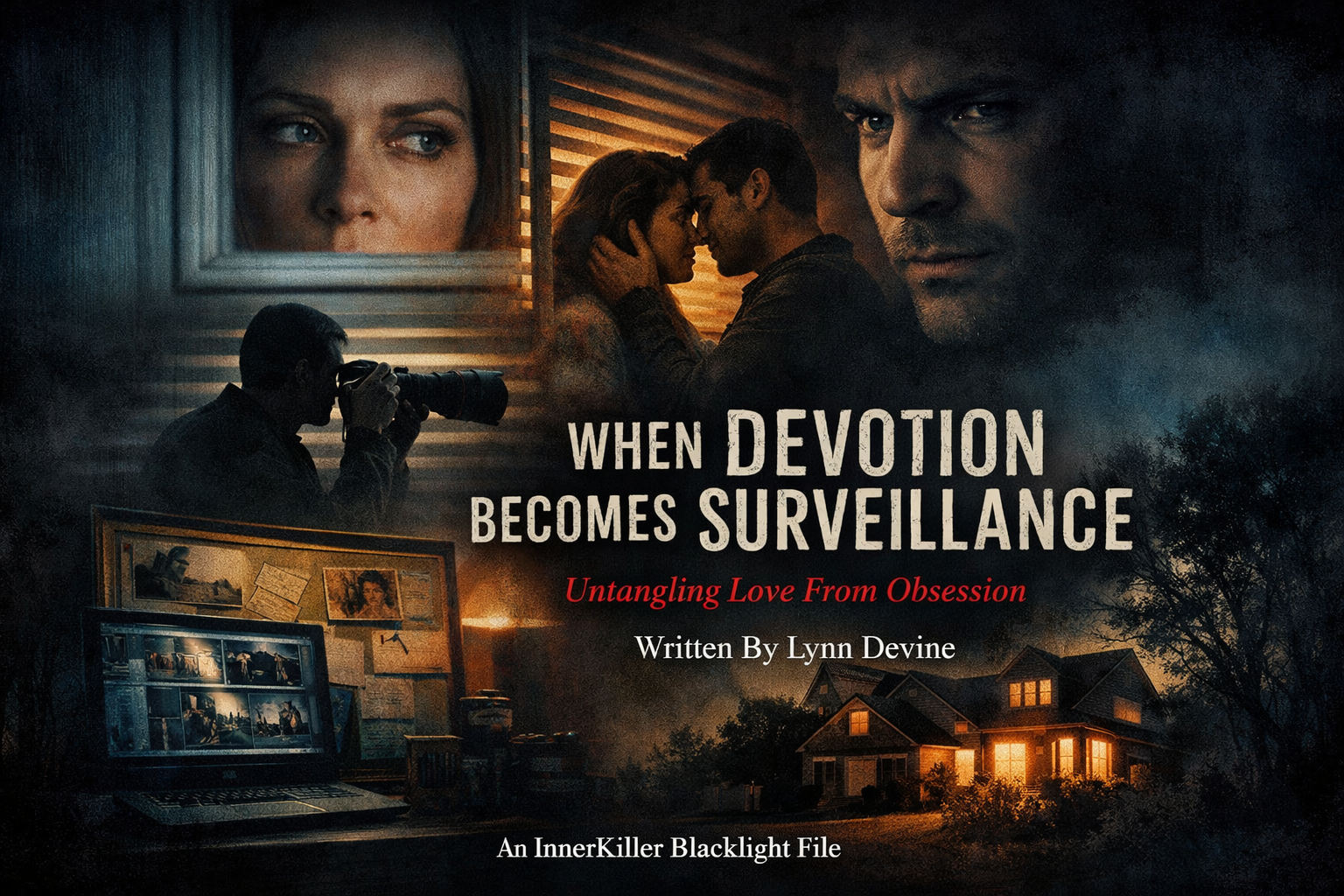

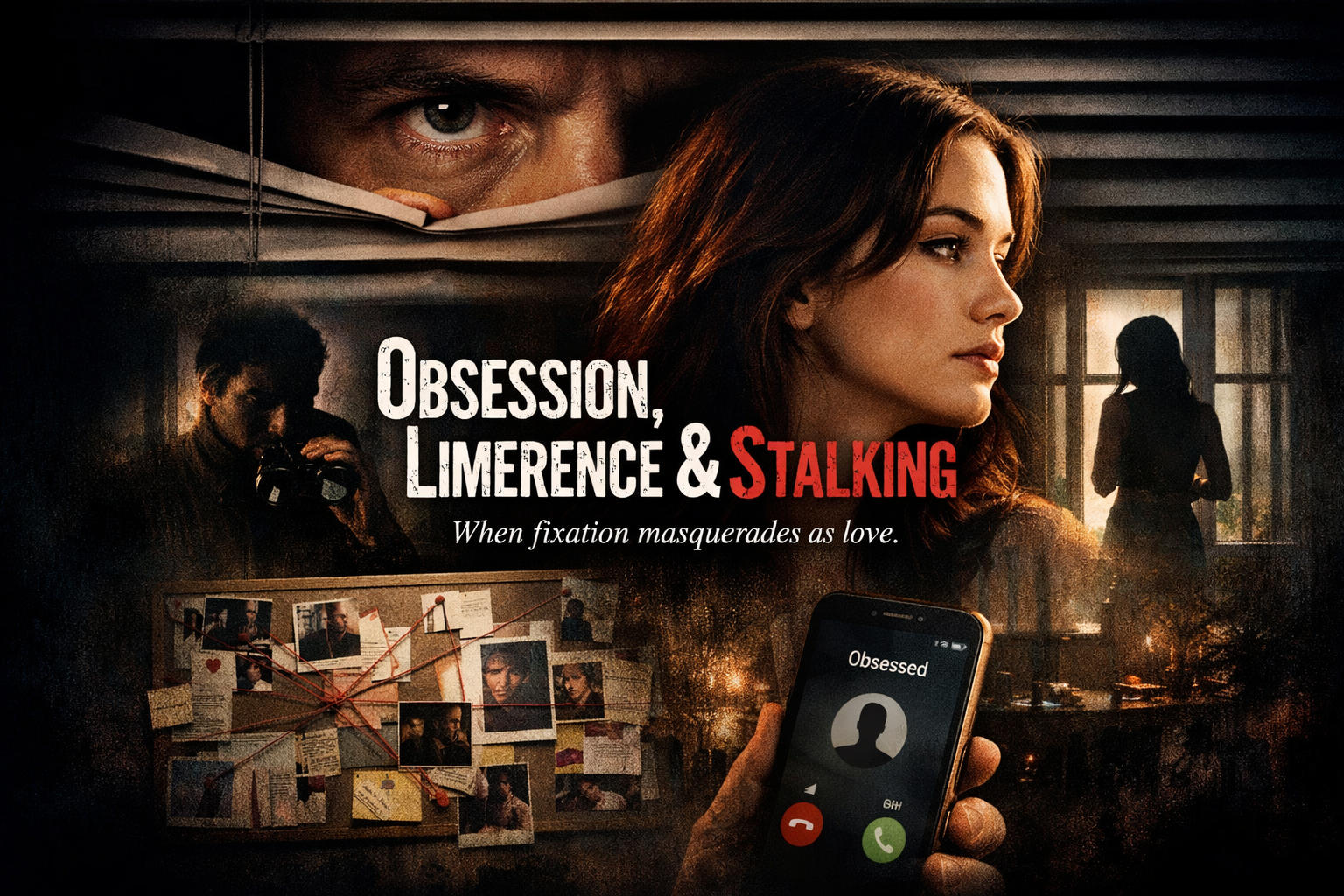
Obsession, Coercion, and Stalking
When fixation masquerades as love.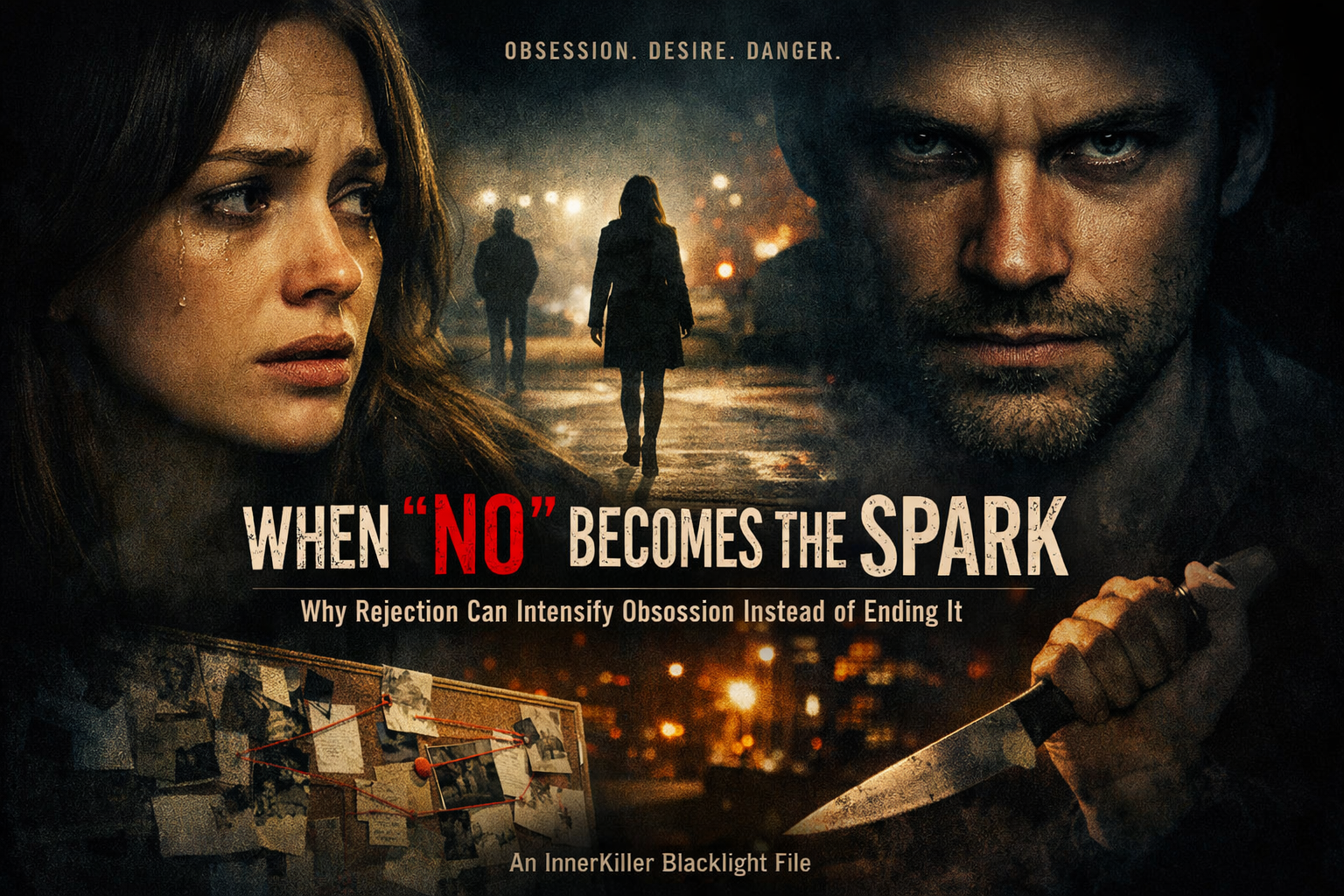
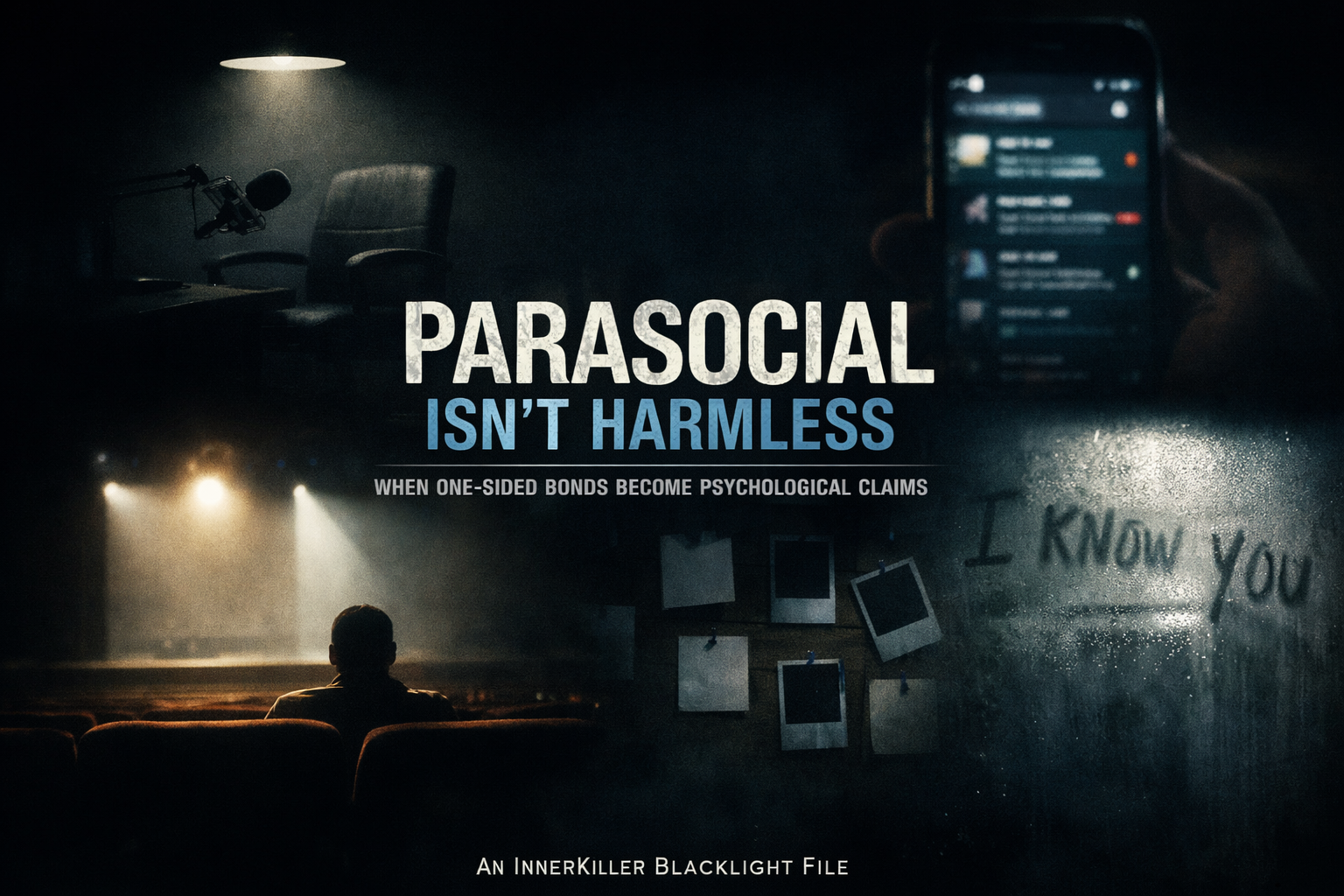
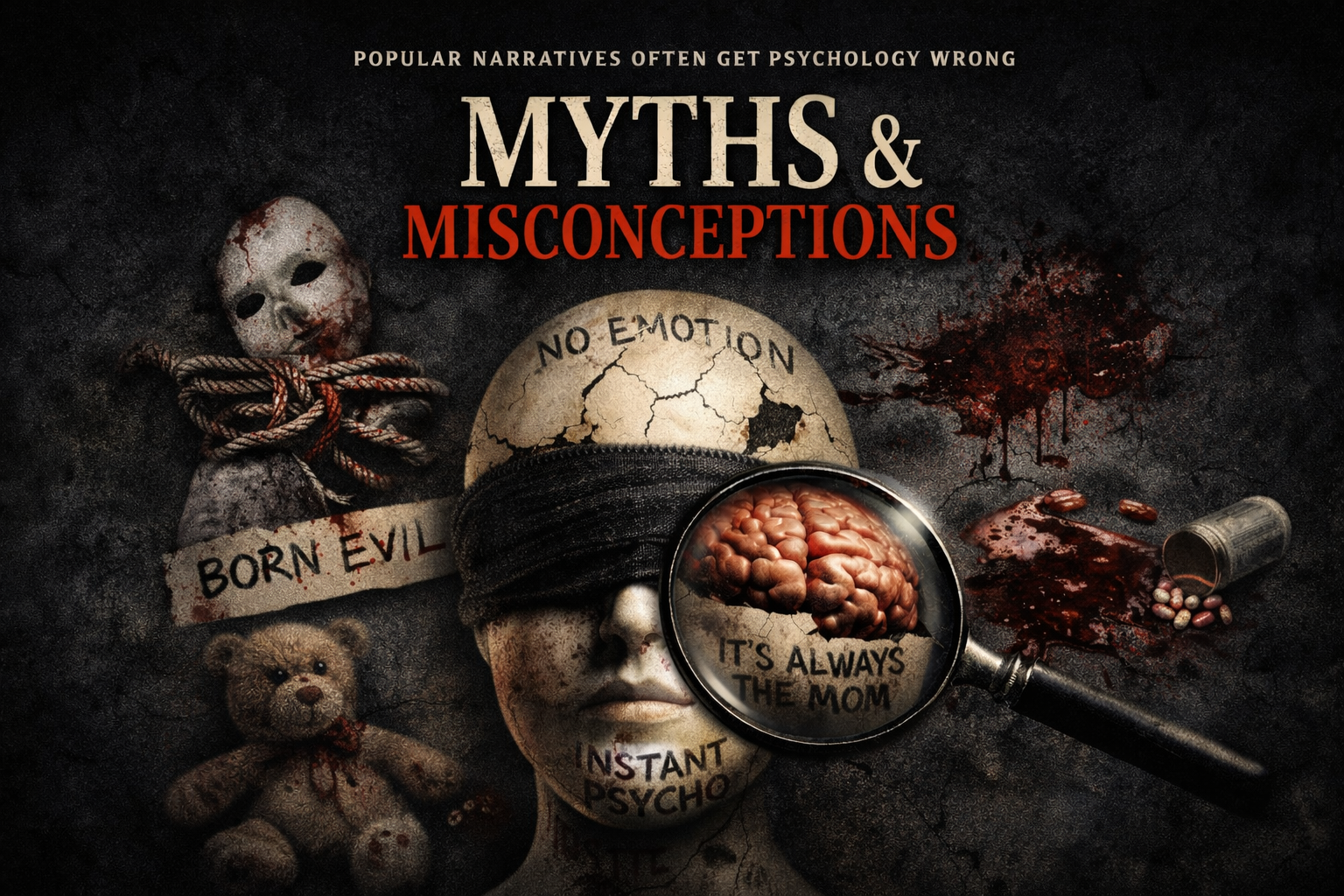
Myths & Misconceptions
Popular narratives get psychology wrong. A lot.
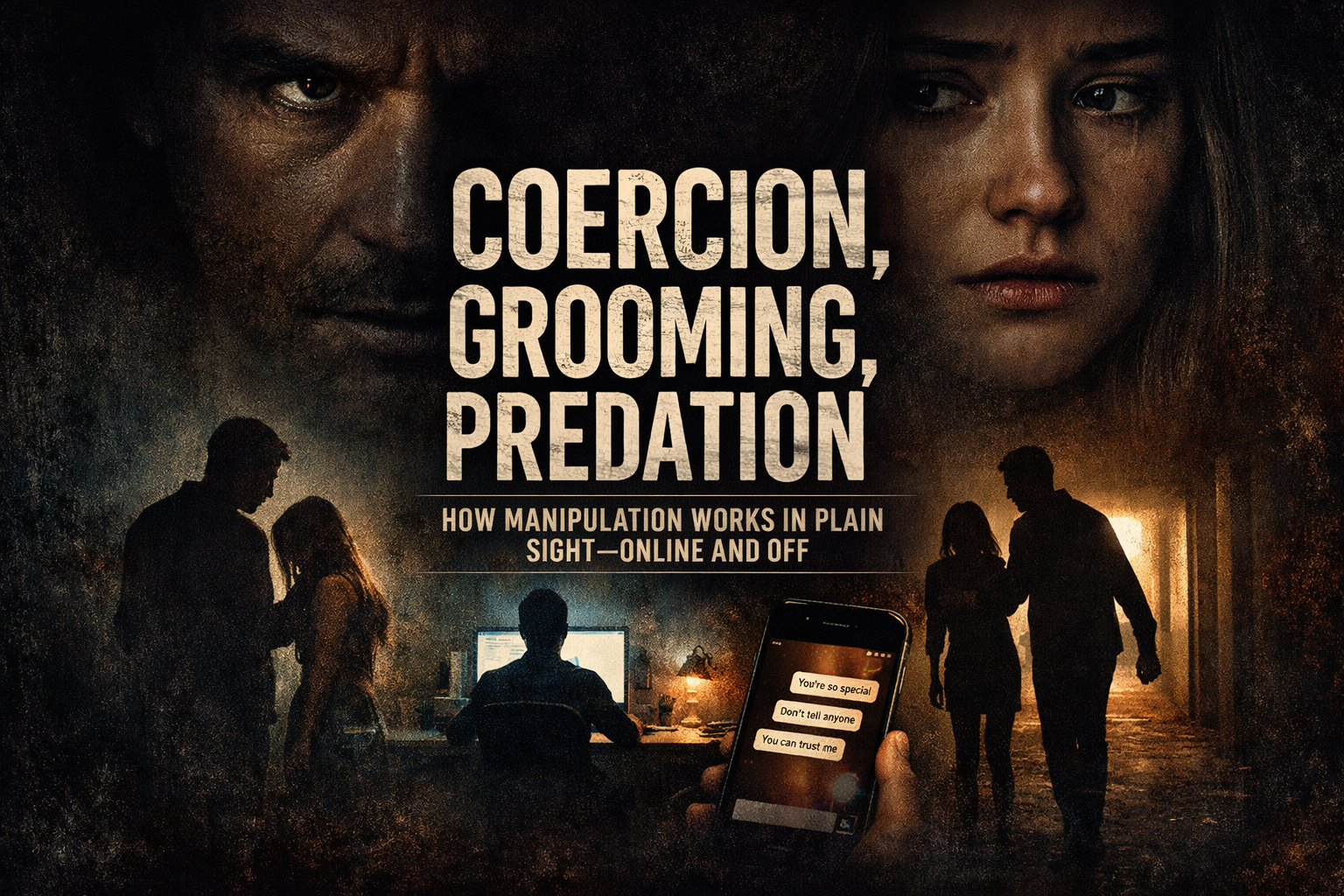
Coercion, Grooming & Predation
Predatory behavior rarely announces itself.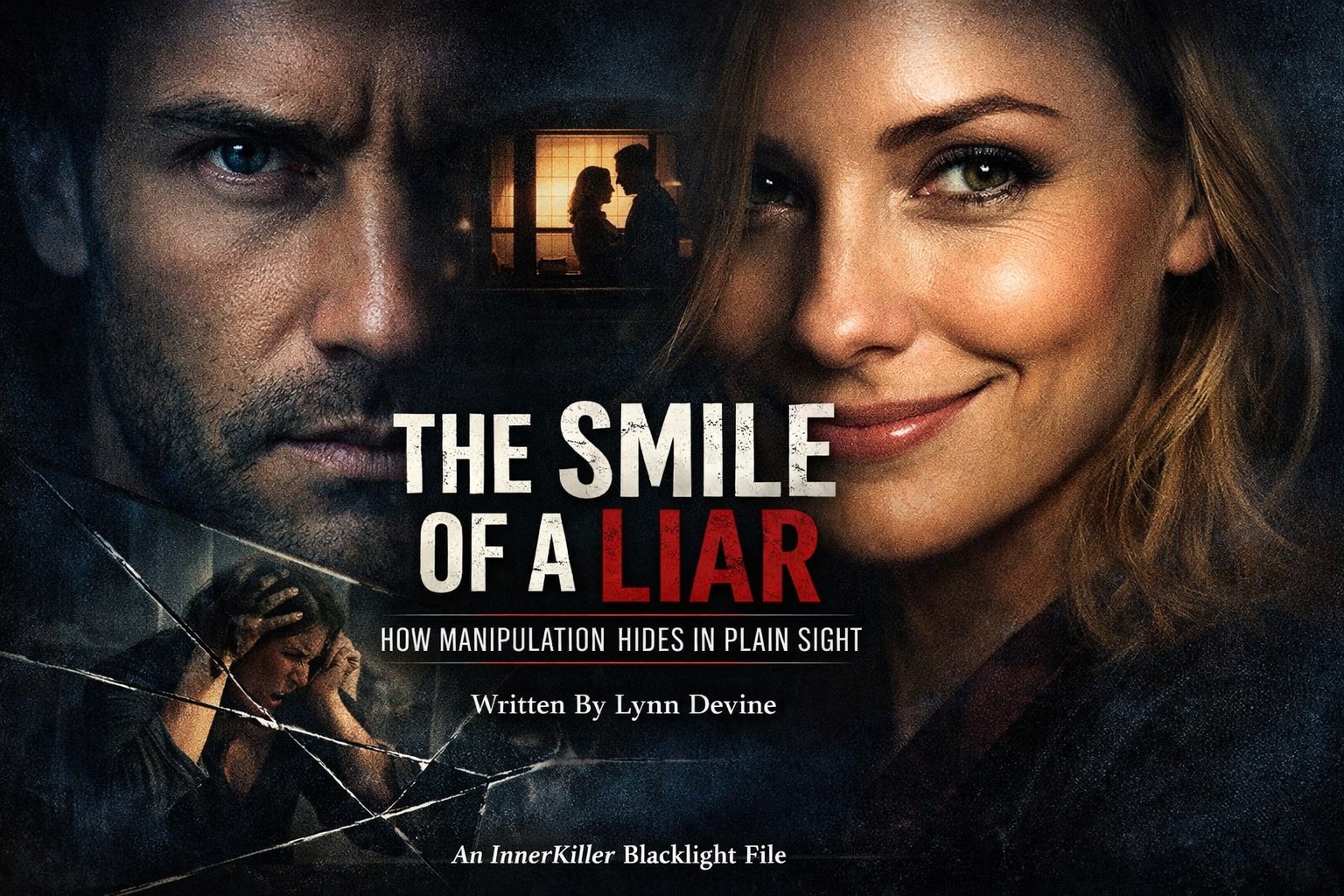
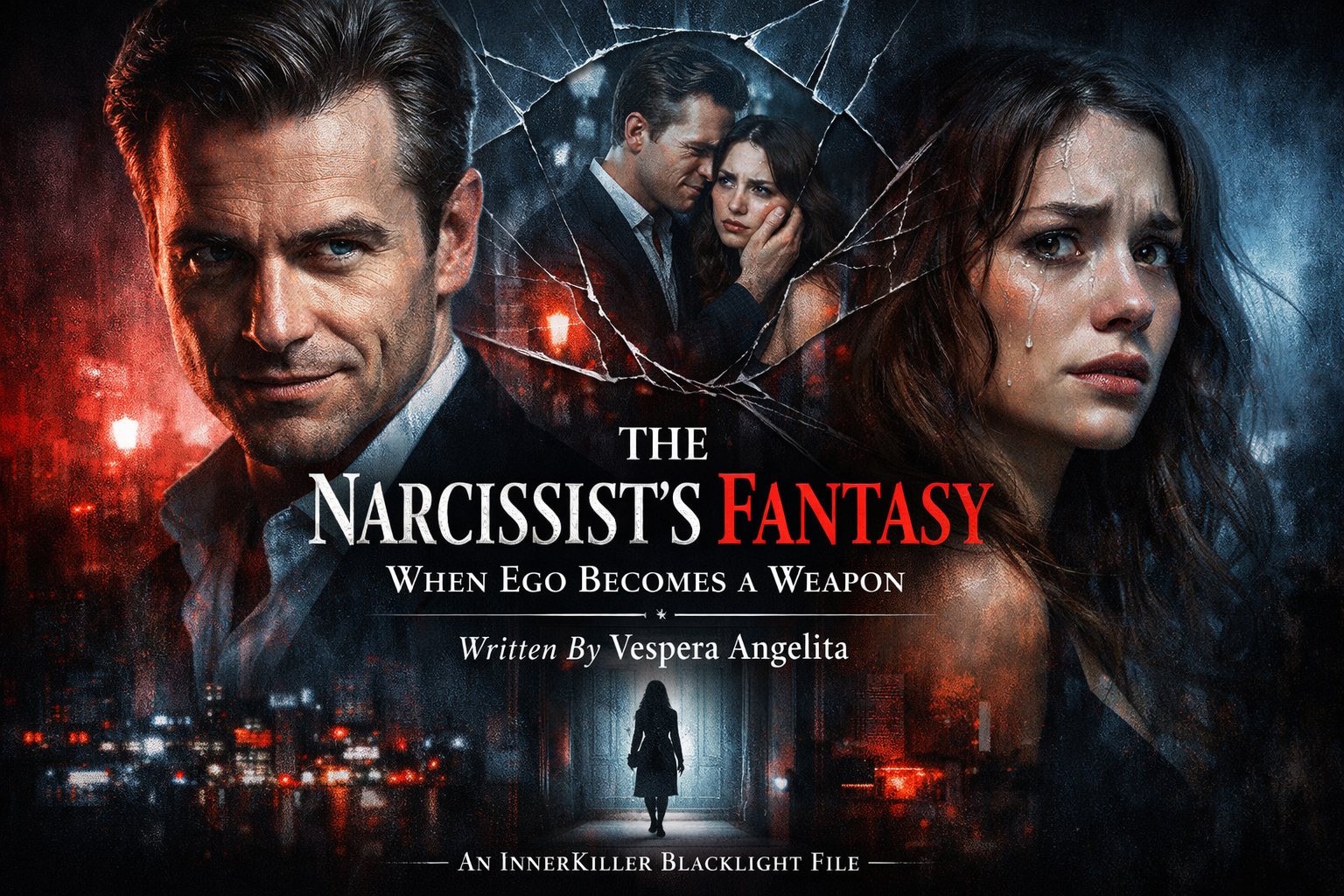
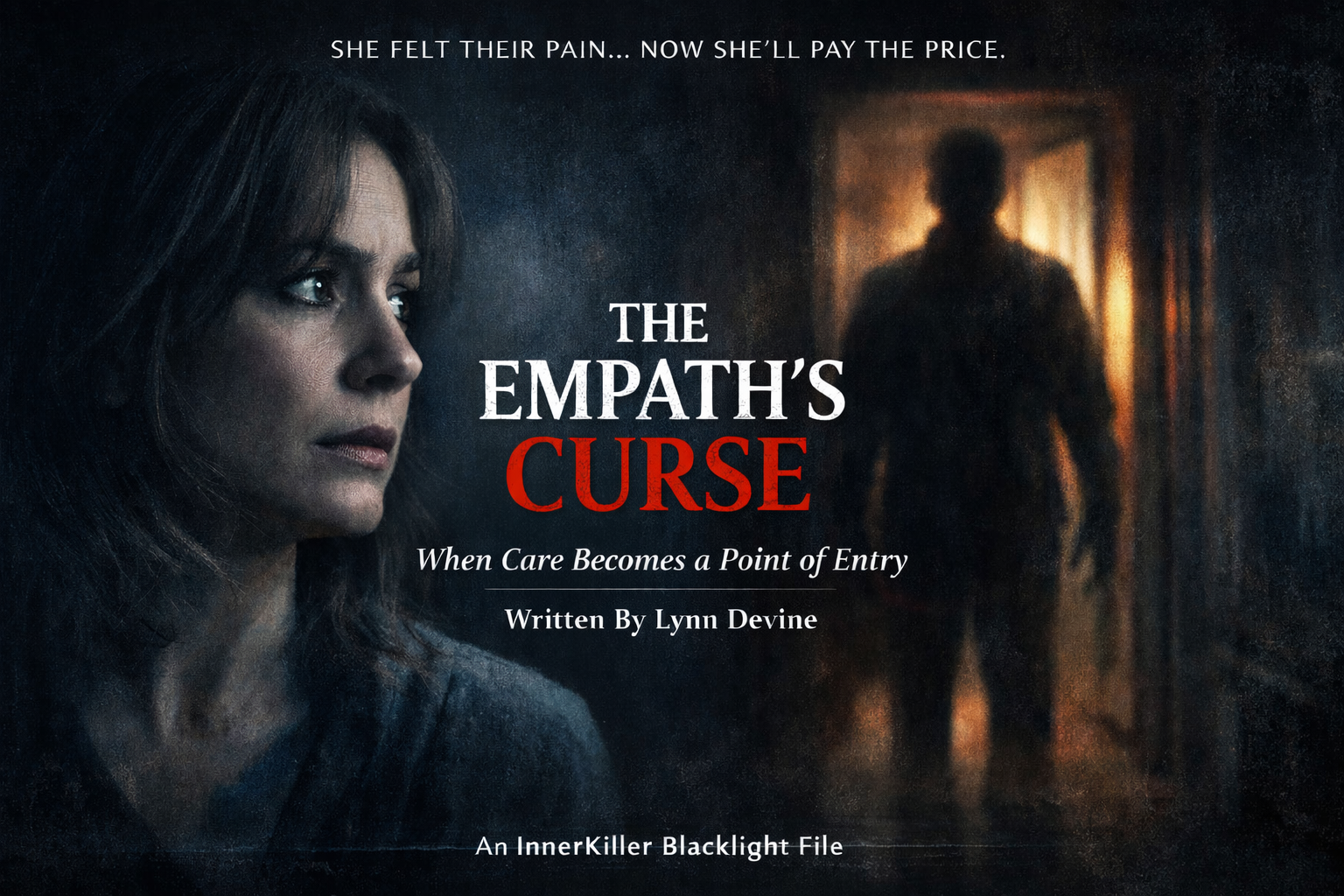
Mental Health Conditions
Understanding without stigma, spectacle, or fearmongering.
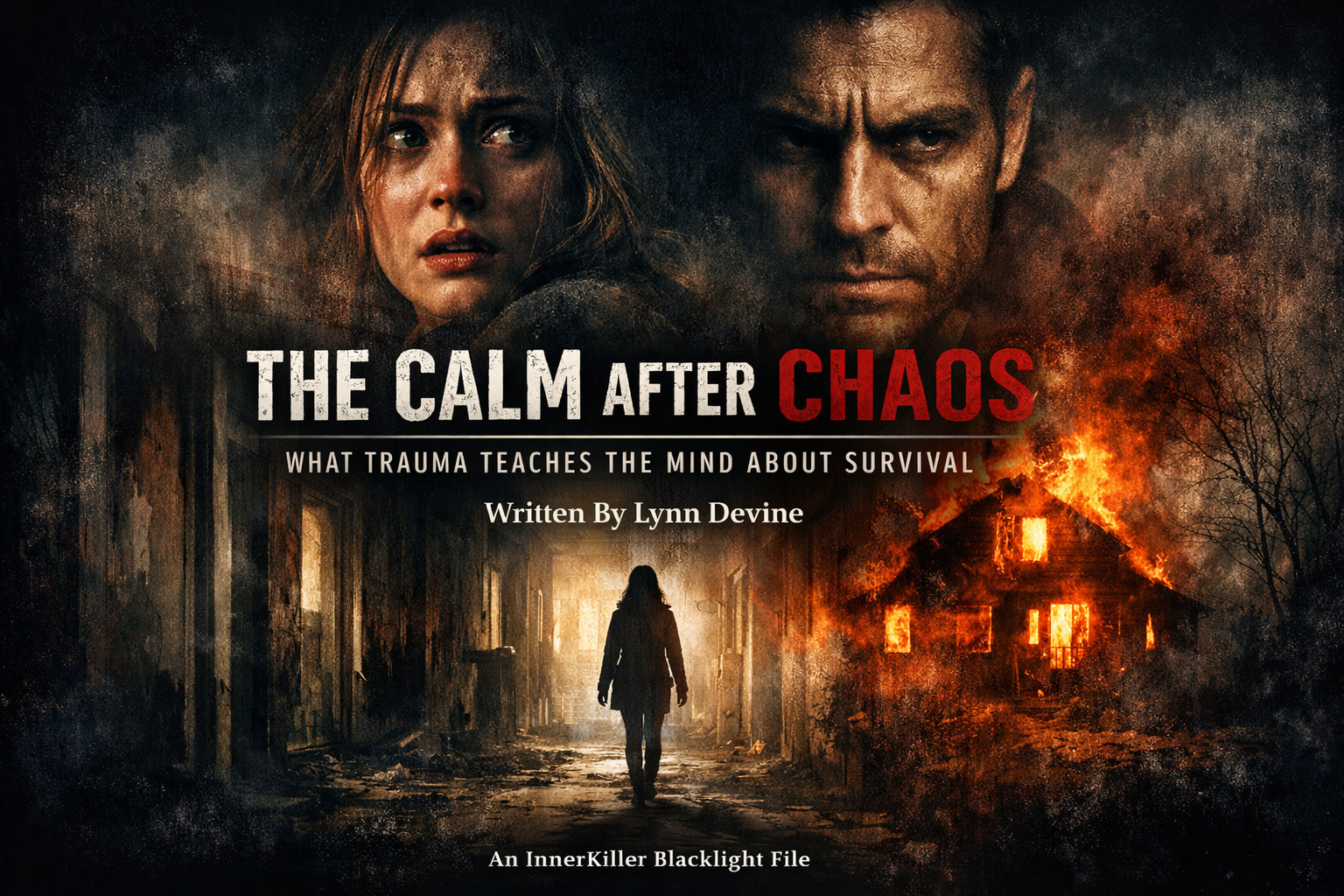
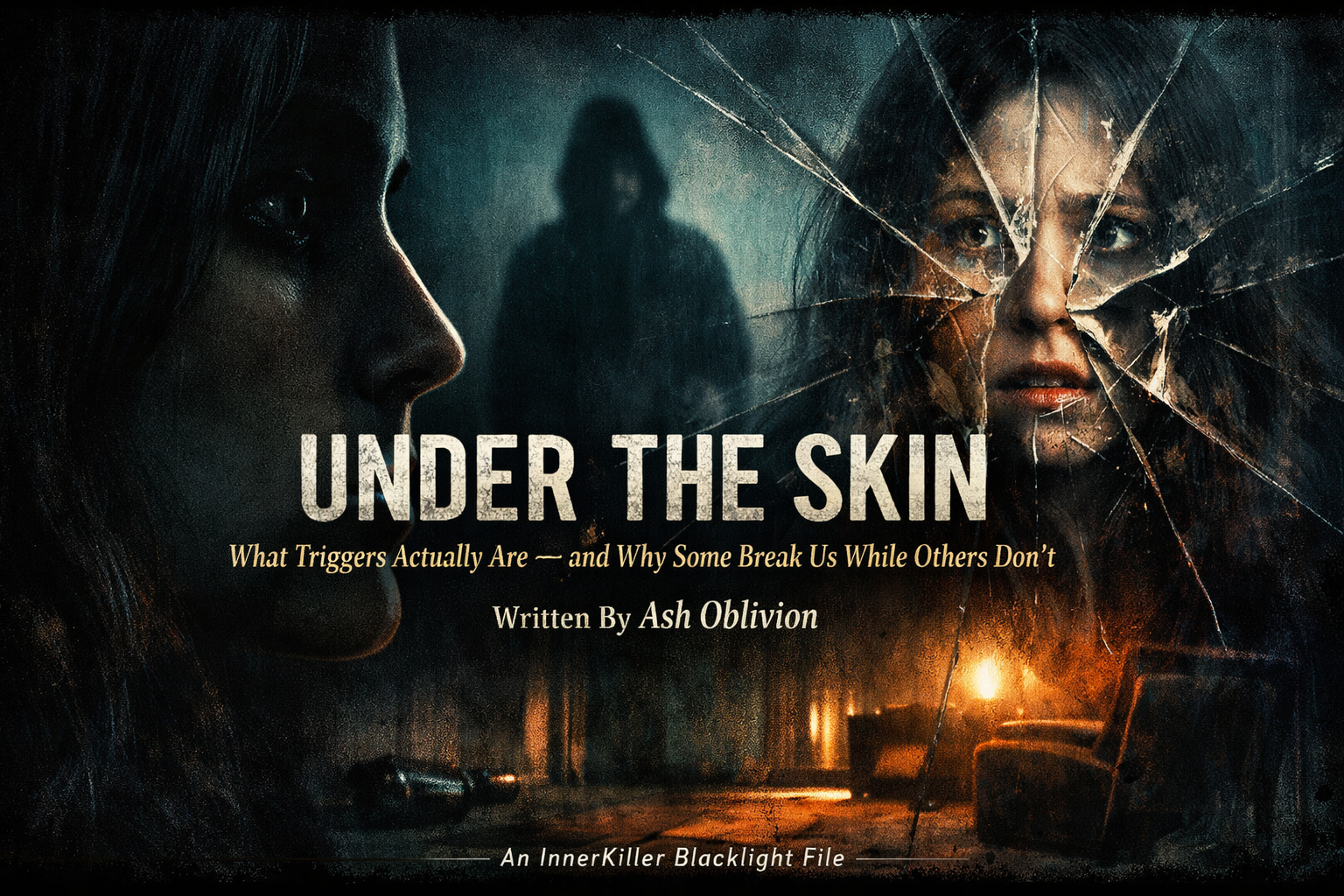
Safety & Boundaries
Safety isn't paranoia. Boundaries aren't overreactions.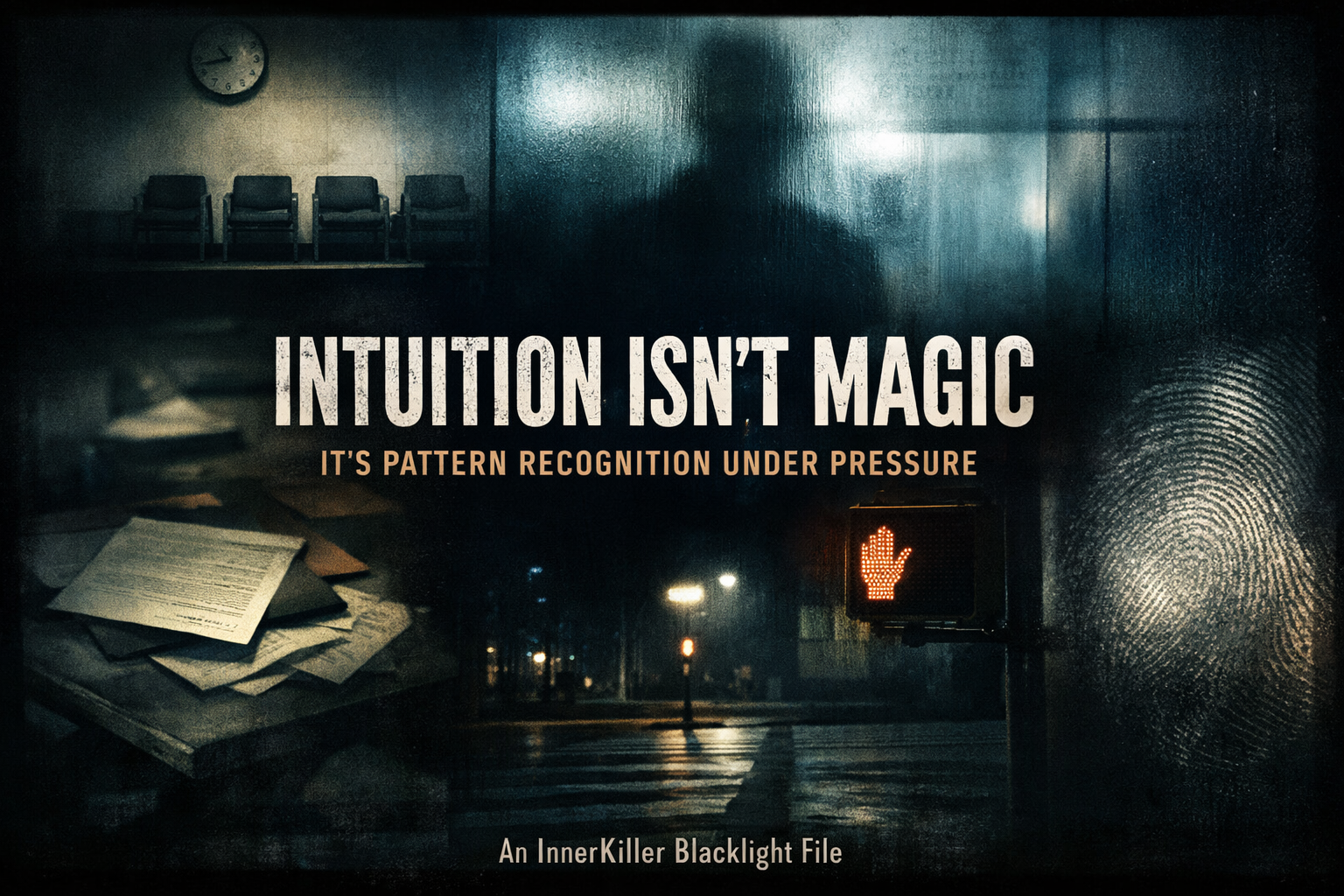
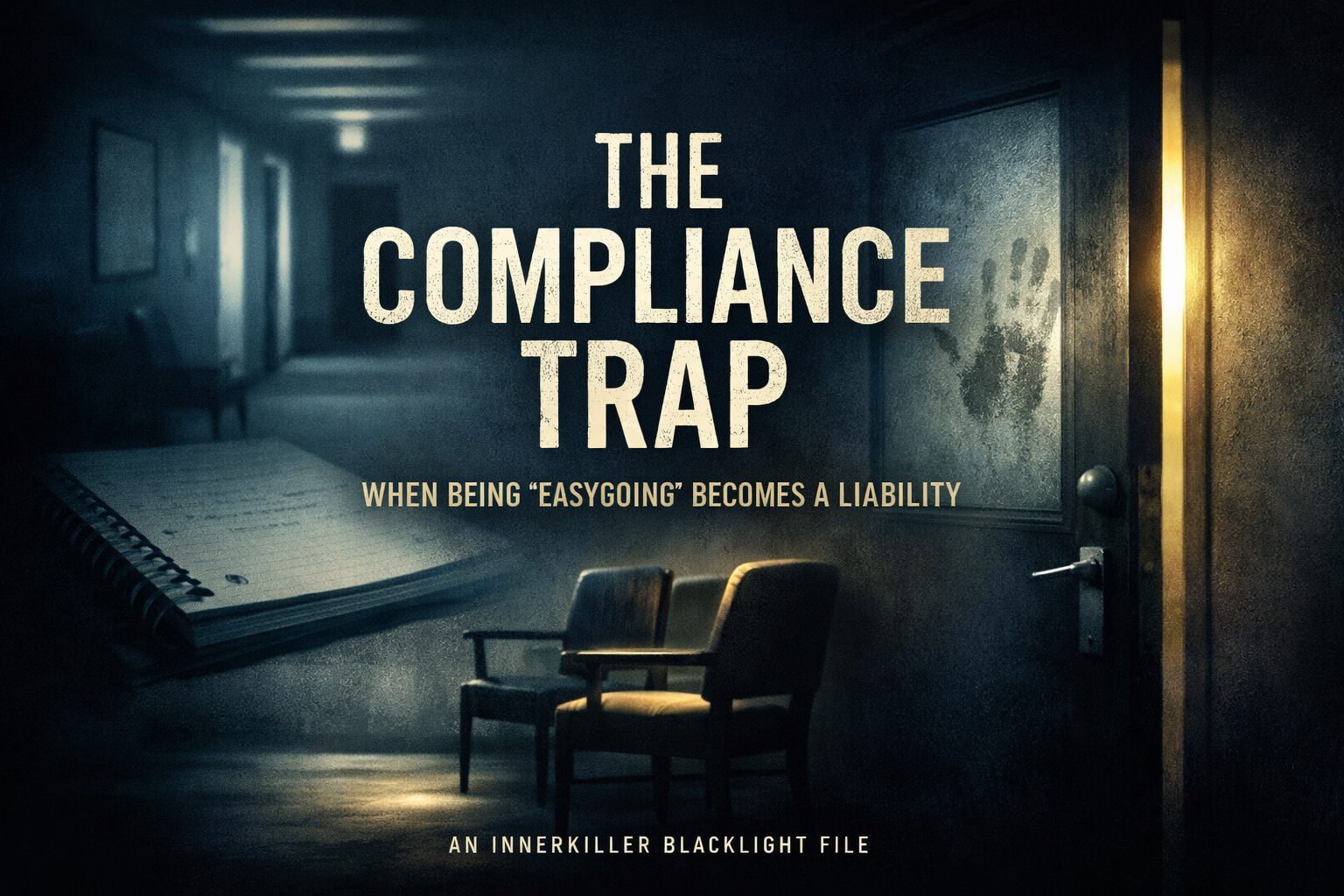
OUR EDITORIAL PROMISEWe Examine Darkness.
We Don't Celebrate It.
Blacklight deals with difficult subjects.
How we talk about them matters.
-

NO GLORIFICATION
No killer worship.
No aesthetic romance of harm. -
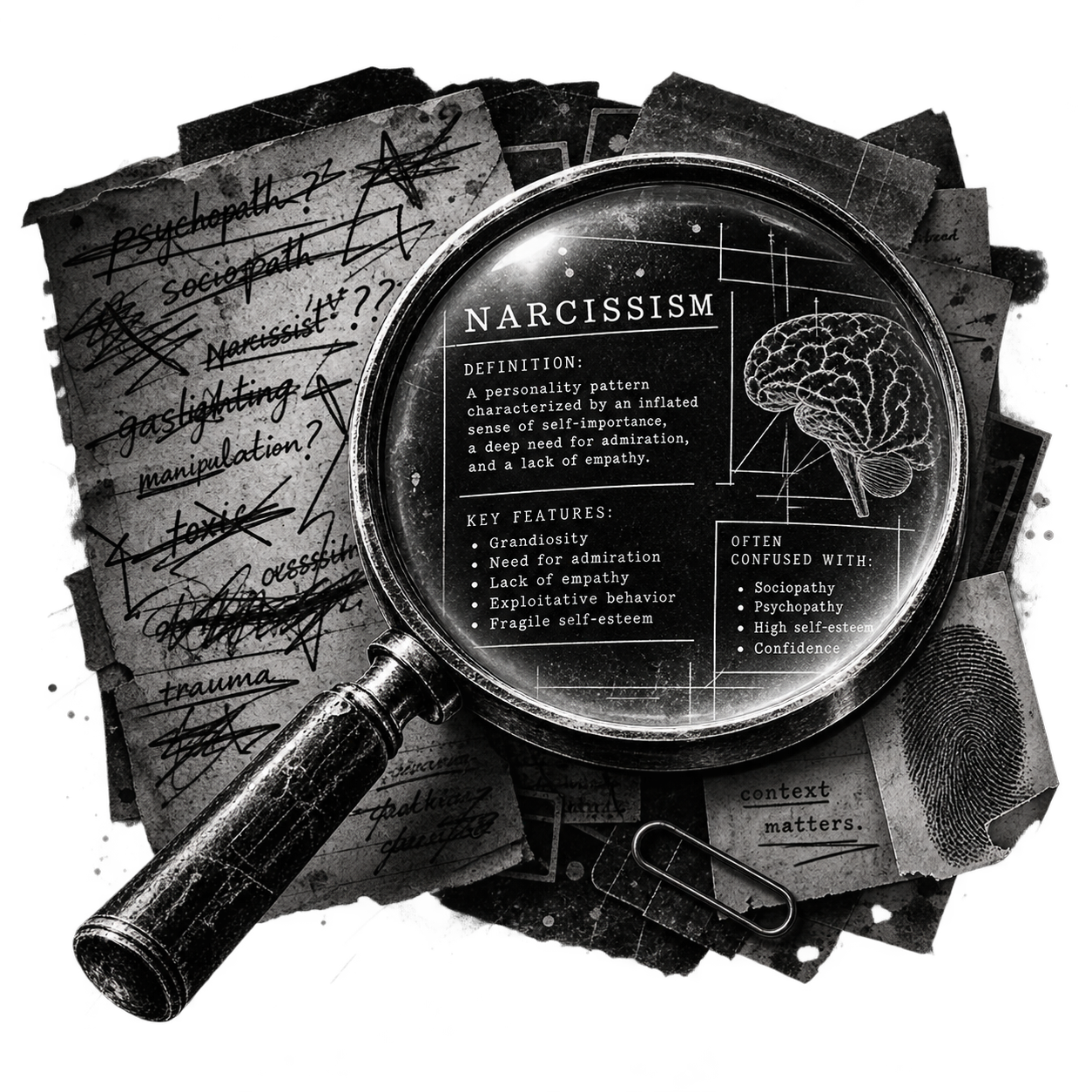
CLARITY FIRST
If a term is misused online.
We define it precisely. -

TRAUMA-AWARE
We write with respect for survivors
and the realities they face. -

EDUCATION > ENTERTAINMENT
Darkness examined.
Never celebrated.

THE INVESTIGATION CONTINUESKeep The Blacklight On.
New files. New questions.
New reasons to look twice.
Free. No spam. We have enough suspicious behavior to investigate already.
Statistics often suggest that money is the most common motive attributed to female serial killers—but statistics rarely explain themselves.