Unmasking The Archetypes
For iKWriters inside The Slab
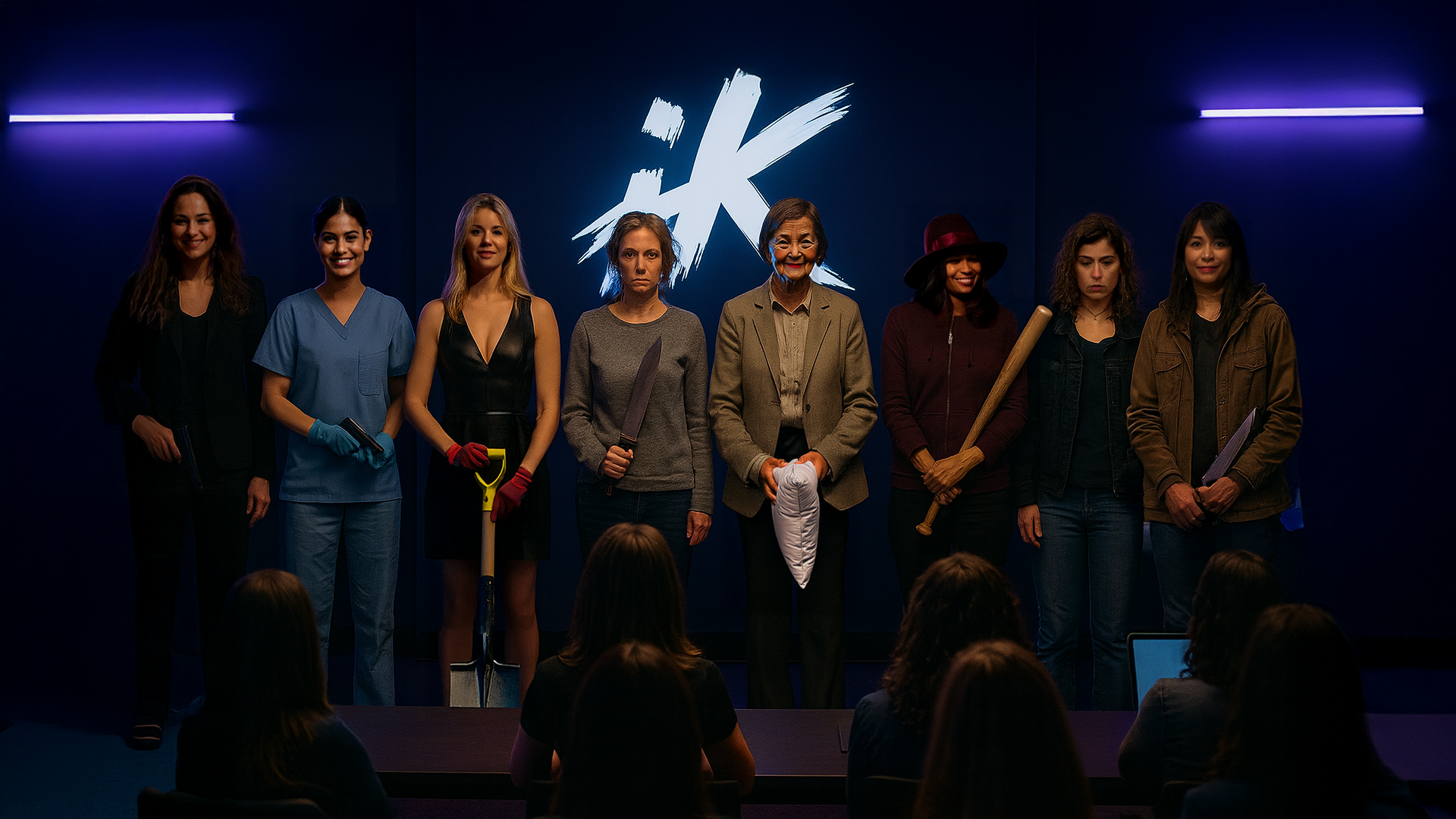
A Forensic Guide to the Dark Psychology of Female Serial Killer Archetypes
Some women break rules.
Some women break expectations.
A rare few break people.
Inside InnerKiller, we don’t glamorize monsters—we autopsy them. We peel back their layers, trace their wounds, and study the psychological signatures that shape female serial killers in both fiction and real life.
And here’s the truth every iKWriter must hold onto:
Female killers are not clichés.
They’re not just “black widows” and “angels of death.”
They’re complex psychological archetypes—patterns of behavior born from survival, trauma, obsession, delusion, and rage.
Below is your field guide:
Your creative scalpel.
Your map through the morgue.
These archetypes aren’t boxes.
They’re lenses—tools you’ll use to craft iKProfiles and Toe-Tagged Tales that feel unnervingly real.
THE ARCHETYPES
🩺 ANGEL OF DEATH

Caretaker. Gatekeeper. Quiet executioner.
She moves through hospitals, nursing homes, and sickrooms like a benevolent shadow.
People hand her their weakness — their pain, their prescriptions, their final breaths.
And that’s exactly how she gets away with murder.
Her signature psychology:
Uses compassion as camouflage
Kills the vulnerable under the guise of relief
Decides who lives, who dies, and when
Sometimes it’s about mercy. Sometimes it’s about godhood. Either way, her victims die believing they were safe. Perfect for stories steeped in trust, routine, and proximity to death.
🕸️ BLACK WIDOW
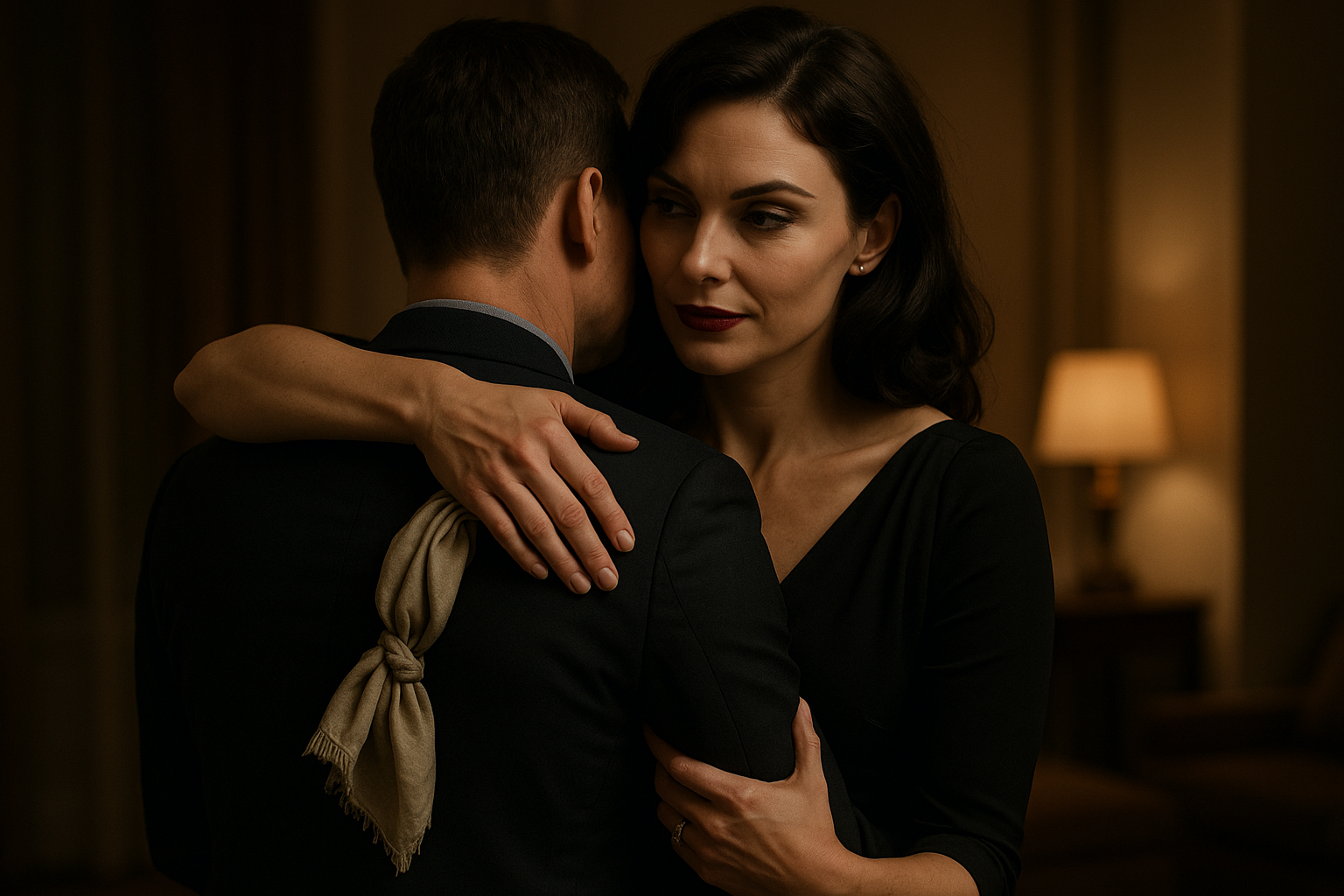
Love as a weapon. Intimacy as a trap.
She’s soft-spoken. Devoted. Maybe even fragile. But beneath the tenderness is a patient predator.
Her victims are romantic partners — lovers, spouses, exes, anyone who thinks love makes them bulletproof.
Her traits:
Kills for money, status, or long-term gain
Prefers poison, sabotage, “accidents,” or illnesses
Weaponizes trust, charm, and emotional intimacy
Her crime scenes are bedrooms, honeymoons, and shared bank accounts. She doesn’t need brute force, just a signature on a marriage license.
💰 PROFIT-DRIVEN KILLER

Cold calculation. Zero intimacy required.
If the Black Widow is personal, the Profit Killer is practical.
She looks at human beings and sees fractions, assets, and opportunities.
Her mindset:
Targets relatives, clients, tenants, or business obstacles
Murders for inheritance, insurance, assets
Operates with corporate-level strategy and emotional detachment
She kills because numbers don’t lie. And bodies don’t talk.
🔥 PSYCHOTIC / VISIONARY KILLER
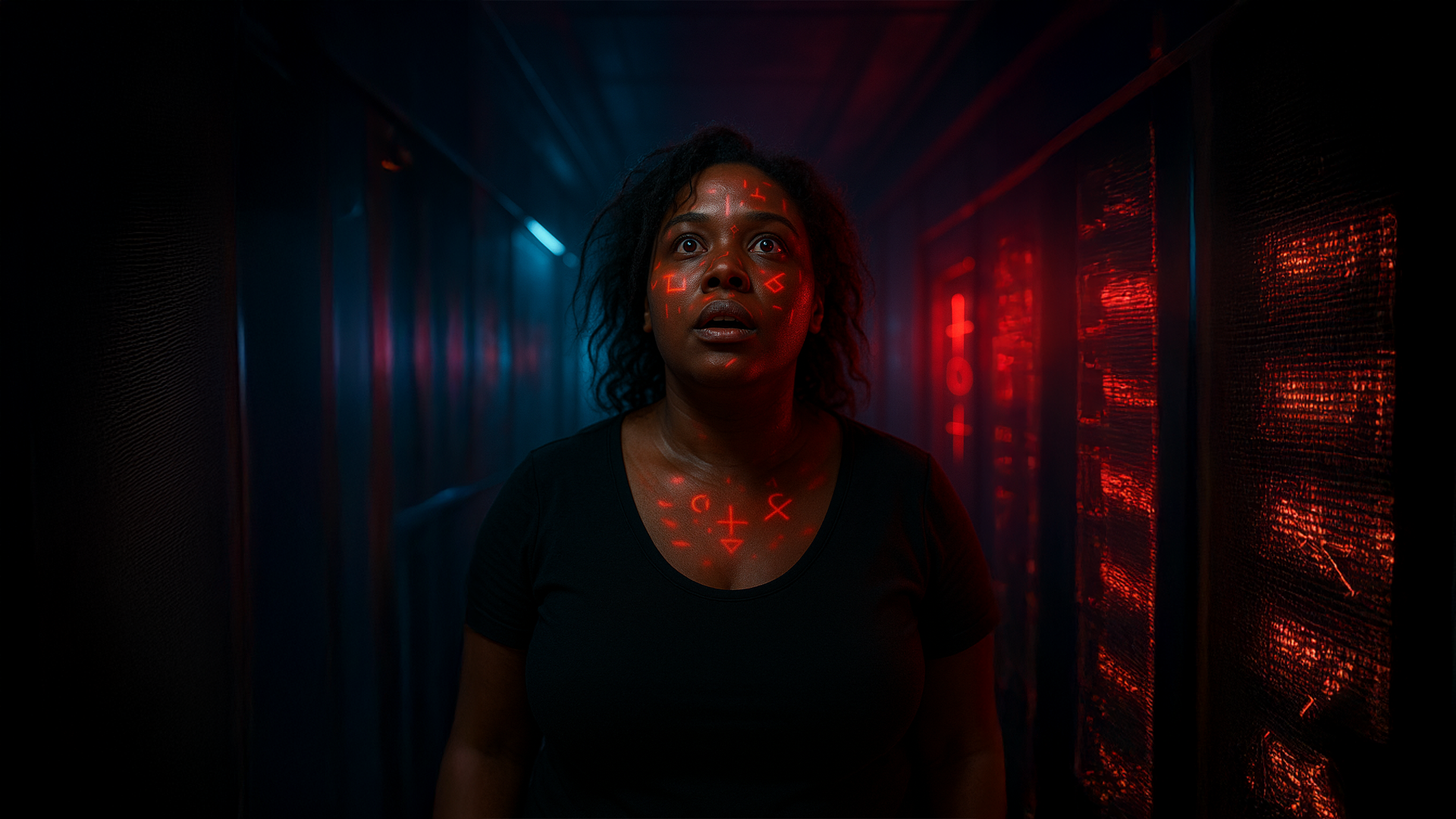
Devoted to something only she can hear.
She doesn’t kill for thrill, money, or revenge — she kills because she believes she must. Her mind is the crime scene.
Her driving forces may include:
Auditory hallucinations
Religious delusions
Supernatural missions
Symbolic “signs,” she thinks only she can interpret
To the world, she’s chaotic. To herself, she’s chosen. Her murders follow patterns she believes are divine, necessary, or fated.
🩸 REVENGE SEEKER
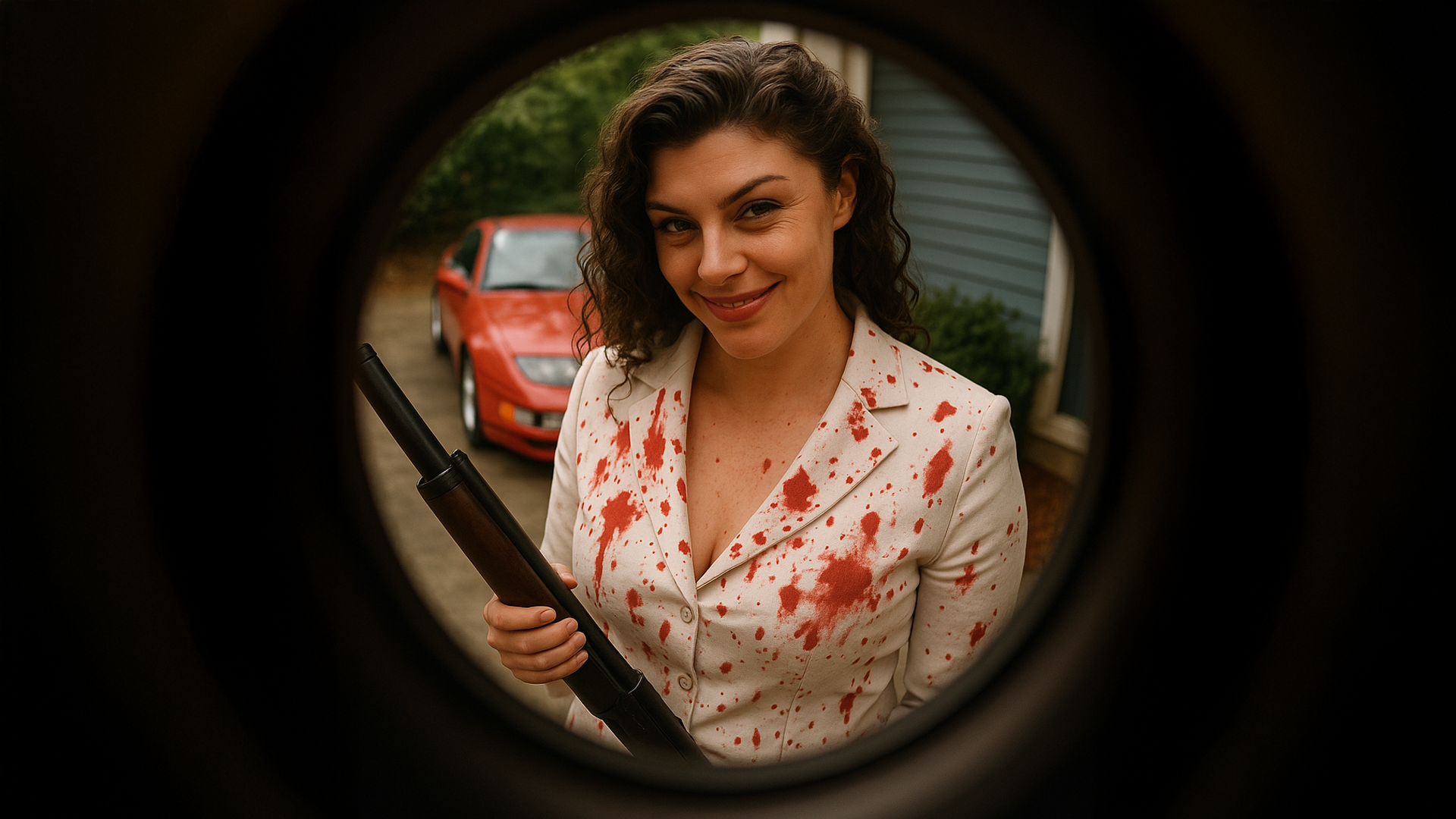
When trauma stops begging to be understood—and starts demanding a body count.
She wasn’t born a killer. She was shaped by:
Abuse
Neglect
Systems that failed her
People who watched her drown
This archetype targets symbols of her own past pain — abusers, institutions, authority figures, demographics tied to her trauma. Her killings are ritualized corrections. To her, they are justice. To everyone else, they’re a reckoning. Perfect for emotionally rich, trauma-driven Toe-Tagged Tales.
🔗 TEAM KILLER
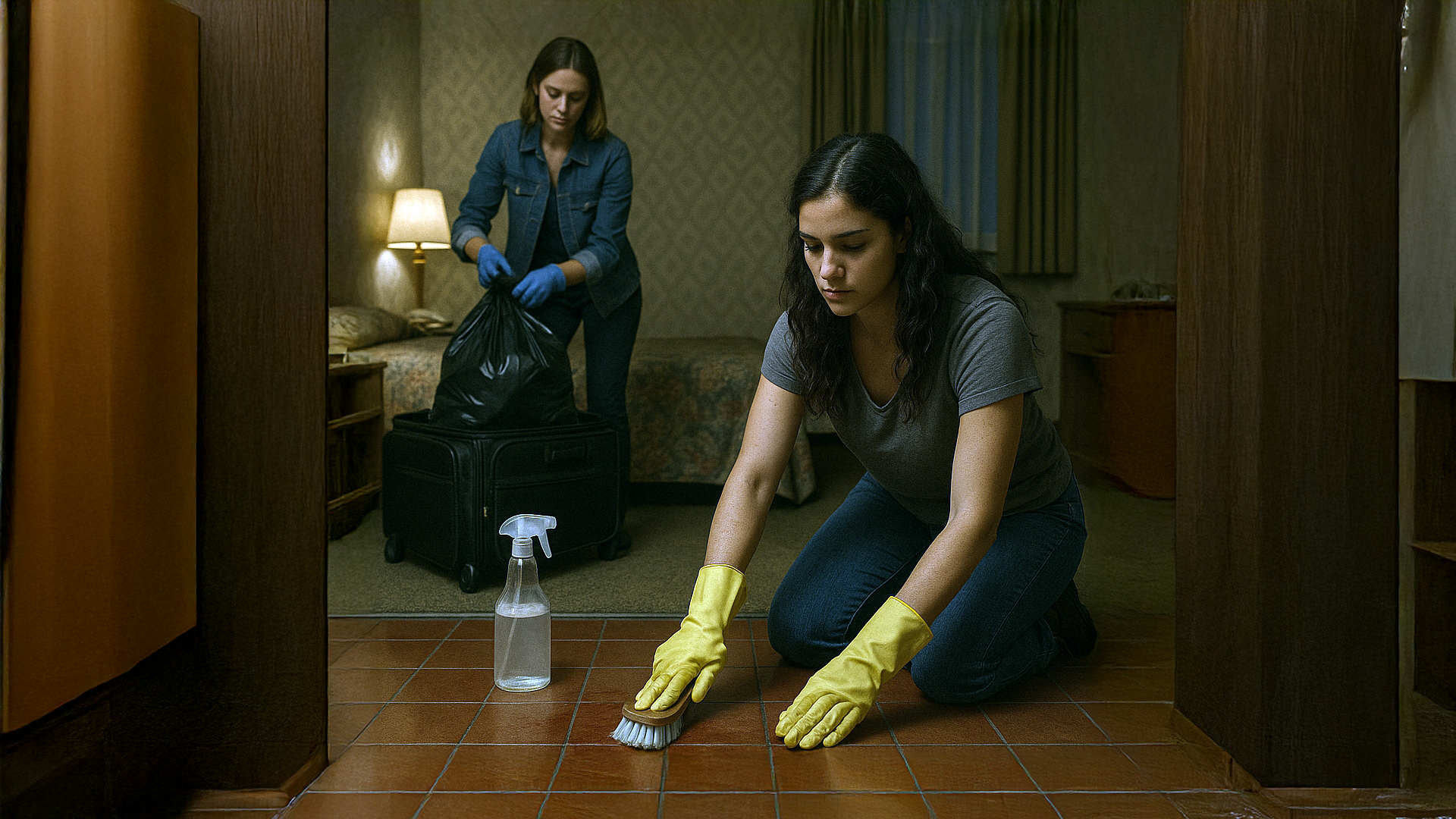
Shared fantasies. Shared guilt. Shared blood.
She doesn’t hunt alone. Team Killers work in pairs or groups:
Husband-wife duos
Best-friend pacts
Lover-accomplices
Trauma-bonded sisters in crime.
Their psychology hinges on:
Dominance and submission
Loyalty and fear
Shared delusion
Power dynamics inside the partnership
One seduces. One enforces. One directs. One obeys. Together, they kill more boldly than either would alone.
WHY THESE ARCHETYPES MATTER FOR iKWRITERS
These archetypes aren’t formulas. They’re psychological starting points to help you create killers who feel authentic and deeply human.
Inside InnerKiller, we use them to:
🧠 Build iKProfiles
Create psychological blueprints of fan-submitted killers—including motives, traumas, triggers, rituals, signatures, and victimology.
📚 Write Toe-Tagged Tales™
Craft character-first stories fueled by emotion, trauma, control, rage, intuition, and shadow psychology.
🔍 Question the labels
Why are some women called monsters… Why some escape scrutiny entirely, and why female darkness terrifies society in ways male violence doesn’t.
Female serial killers — real or fictional — hold up a mirror to everything women aren’t allowed to say aloud:
Our anger. Our fear. Our hunger for autonomy in a world built to take it away.
FINAL CUT
This is only the surface layer of the morgue drawer.
As you develop iKProfiles and Toe-Tagged Tales, you’ll uncover hybrids, anomalies, and archetypes that fracture and evolve under pressure.
No female killer is simple.
No story is one-note.
Every archetype is a doorway — it’s your job, as an iKWriter, to step through.
Welcome to the crime lab of female darkness.
Write carefully.
Some of these women will follow you long after you close the tab.